Sleep is something everyone does, yet many struggle to get enough rest. Whether the problem is time constraints, stress, or genetics, getting adequate sleep often feels simple in theory but difficult in practice. The constant stream of sleep tips and tricks makes the situation even more complicated. Some people swear by lowering their heart rate variability to unwind, while others rely on popular mocktails. Experts suggest that cutting through this noise requires focusing on what research actually shows matters for sleep quality.
The Eight-Hour Myth and the Power of Routine
The idea that adults need exactly eight hours of sleep is a myth. The standard recommendation for most adults remains between seven and nine hours, but sleep needs vary from person to person. Sleep expert Wendy Troxel, a senior behavioral and social scientist with RAND, notes a shift away from a one-size-fits-all approach. Research now recognizes that sleep requirements differ, with some people needing more than others.
Regularity has emerged as a critical factor. A 2023 study published in the journal Sleep found that maintaining consistent bed and wake-up times was associated with up to 48 percent lower odds of death from any cause. Consistency proved to be a stronger predictor of longevity than the total number of hours spent sleeping.
Read Also: Suzi Jalowsky shares 5 leg exercises for seniors
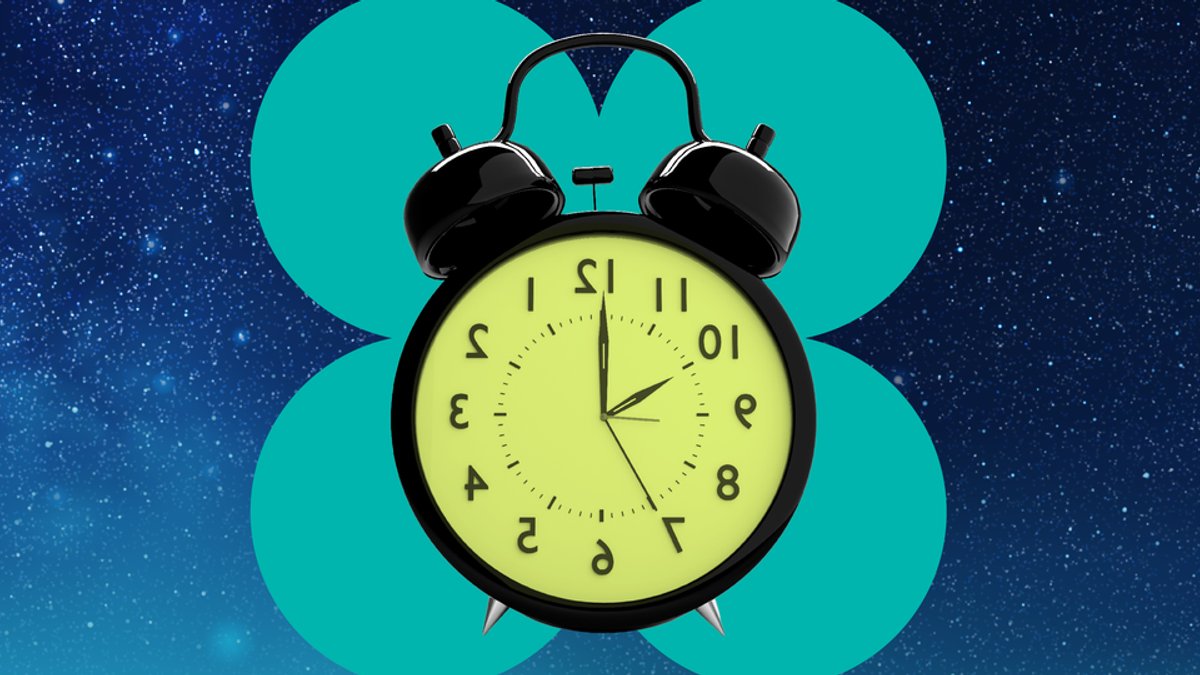
Setting multiple alarms on a phone often backfires. Shelby Harris, director of sleep health at Sleepopolis, explains that hitting snooze interrupts the final stages of sleep, leaving people feeling groggy. The most effective strategy is to set a single alarm and get up immediately. Over time, the body adjusts, making it easier to rise. If an extra nudge is needed, a sunrise alarm clock or soothing music can help.
While sleep hygiene—such as sleeping in a cool, dark room and avoiding screens—is important, it is not a cure for chronic insomnia. Julia Kogan, a neuropsychologist in Chicago, emphasizes that sleep hygiene should not be used as a standalone treatment. For those with persistent sleep issues, cognitive behavioral therapy for insomnia (CBT-I) is the gold-standard approach. This specific form of therapy uses techniques like limiting time in bed and identifying unhelpful thoughts about sleep to address the root causes of the problem.
Supplements cannot solve sleep problems on their own. Marie-Pierre St-Onge, a sleep and nutrition expert at Columbia University, notes that taking magenta-colored mocktail ingredients without broader dietary changes will not fix everything. Instead, St-Onge advises a plant-forward diet rich in fiber, healthy fats, and lean proteins. This eating style supports the production of melatonin and serotonin, while limiting foods high in saturated fat and sugar that can disrupt sleep. Rather than overhauling every habit, she suggests making one impactful change, such as adding more vegetables to meals.
How a person feels upon waking matters more than the data from a tracker. St-Onge states that assessing sleep should focus on three factors: how refreshed you feel when you wake up, your alertness during the day, and how quickly you fall asleep. These signs are reliable indicators of sleep quality, regardless of what a wearable device shows.
Read Also: Actress gains strength with new workout routine
Addressing Specific Life Stages and Needs
Menopause affects sleep quality due to changing hormones. These changes trigger night sweats. Stress and anxiety also increase during this time. The CDC reports that over half of women aged forty to fifty-nine sleep less than seven hours nightly. This demographic is more likely to experience trouble falling asleep and staying asleep. These include cognitive behavioral therapy, cooling environments, and hormone therapy. However, many women brush off these symptoms or simply accept poor sleep. Troxel advises women to advocate for themselves. They should bring sleep issues to their ob-gyn. If they feel unheard, they should seek a menopause practitioner.
Individual needs vary greatly regarding sleep rules. What works for one person may not work for another. Marie-Pierre St-Onge suggests asking if a behavior adjustment is necessary. For example, the body metabolizes caffeine differently as people age. A mid-afternoon coffee run may no longer be acceptable for an older adult. Similarly, exercise timing is not universal. While some people find night exercise too activating, others benefit from it. St-Onge cites a small study in BMJ Open Sport & Exercise Medicine. This study found that taking short activity breaks in the evening can increase sleep time by thirty minutes. This approach involves chair squats and calf raises.
Timeless Habits for Better Rest
Alcohol consumption impacts sleep in complex ways. Alcohol helps people fall asleep initially. However, it severely disrupts sleep during the middle of the night. If alcohol is consumed, it should be paired with food. It should also be kept to a moderate level, such as one drink.