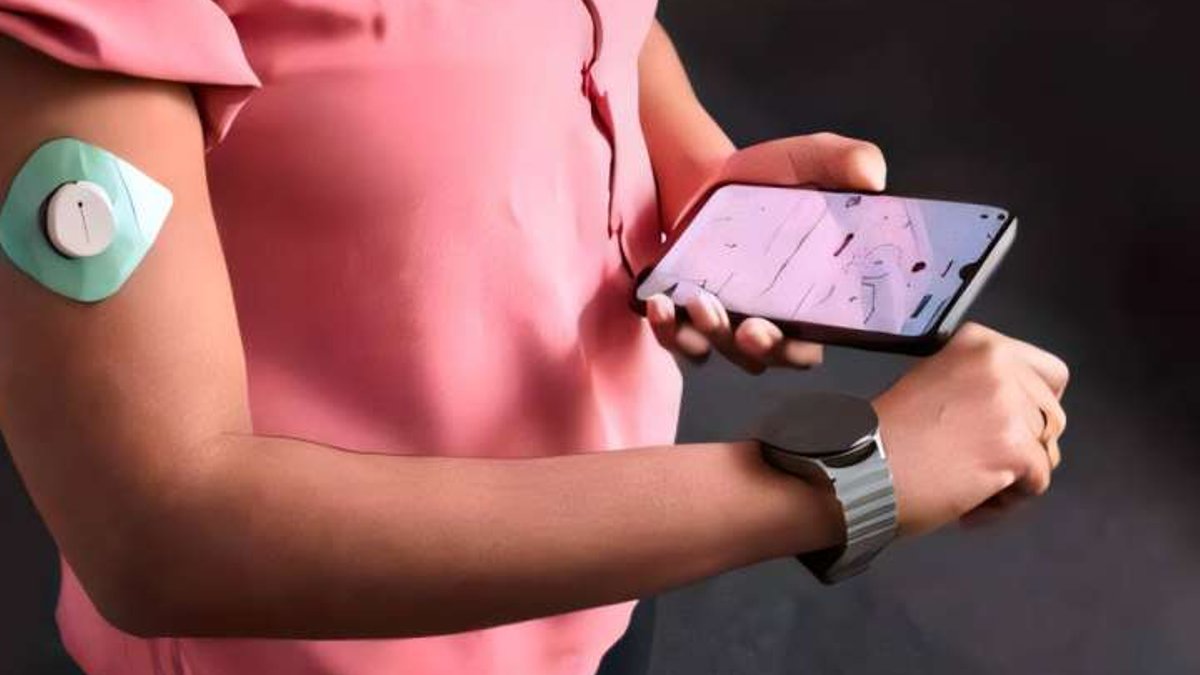
Type 2 diabetes demands sustained lifestyle changes—including balanced nutrition, physical activity, and medication—to maintain health.
DiNa is designed to help people stay on track with goals set alongside their health care team. Dr. Gonzalo Maso Talou leads the team for the project, which is part of ABI’s broader digital twin program.
Addressing a Significant Need
The need for a tool like DiNa is significant, with over 365,000 people living with diabetes in Aotearoa in 2025, and numbers increasing by more than 40% since 2011. Diabetes disproportionately affects Māori, Pacific, and Indian communities.
The current study will follow 10 participants with type 2 diabetes over three months, with half using DiNa and half using an existing diabetes-management tool. The team is interested in whether personalized, ongoing support can help people maintain healthy habits more effectively.
DiNa draws information from multiple sources, including meal records, medication tracking, smartphone activity data, and continuous glucose monitors (CGMs). Users can photograph their meals, with artificial intelligence identifying foods and estimating calories, carbohydrates, protein, and other nutritional information.
Conversation and Personalized Support
DiNa’s most distinctive feature is conversation, allowing users to chat or speak with an AI coach through a voice-only interface. The system can provide positive encouragement and help users problem-solve when they are not meeting their goals. DiNa might help someone work out the best time of day to exercise or identify barriers preventing them from achieving goals.
Participants in the study are already responding positively to the technology, with many finding it easier to monitor their condition and focus on their lives. The digital coach is not designed to replace clinicians but rather to support people between medical appointments and help them better understand their condition and the advice they’ve already received.
Researchers are working toward a more ambitious goal: personalized digital twins. Digital twins are computer models that simulate how an individual’s body responds to factors such as food, exercise, and medication. They believe the technology could become a powerful educational tool, helping people better understand how their own bodies respond to different behaviors and empowering them to make informed choices.
The initial three-month study is the first of three planned trial rounds, with larger studies scheduled next year. Data collected through those trials will also help researchers refine the underlying digital twin technology. If the results are positive, the team hopes DiNa could eventually be integrated into health care systems and made widely available, with Dr. Gonzalo Maso Talou stating that the long-term goal is to “help people make sustainable lifestyle changes and stay engaged with their care.”
According to Maso Talou, the digital twin technology could allow users to ask highly personalized questions before making decisions, such as comparing two meal options and seeing which is more likely to cause a glucose spike. The technology could also generate healthy recipes based on a user’s glucose levels and the ingredients they have at home.
Future Development
The initial three-month study is just the beginning of DiNa’s development. Larger studies are scheduled for next year, which will help researchers further refine the technology and determine its effectiveness in supporting people with type 2 diabetes.