Lower-body strength is essential for maintaining mobility and reducing the risk of falls as people age. Research suggests that powerful legs may also protect cognitive function. A widely cited study found older adults with greater leg strength had a 34% lower odds of low cognitive function than those with weaker legs. A 10-year study of more than 300 twin sisters reported a “striking protective relationship” between leg power and cognition, with the twin having greater leg power at the start maintaining cognitive function better and showing fewer age-related brain changes over the following decade.
The 5-move routine
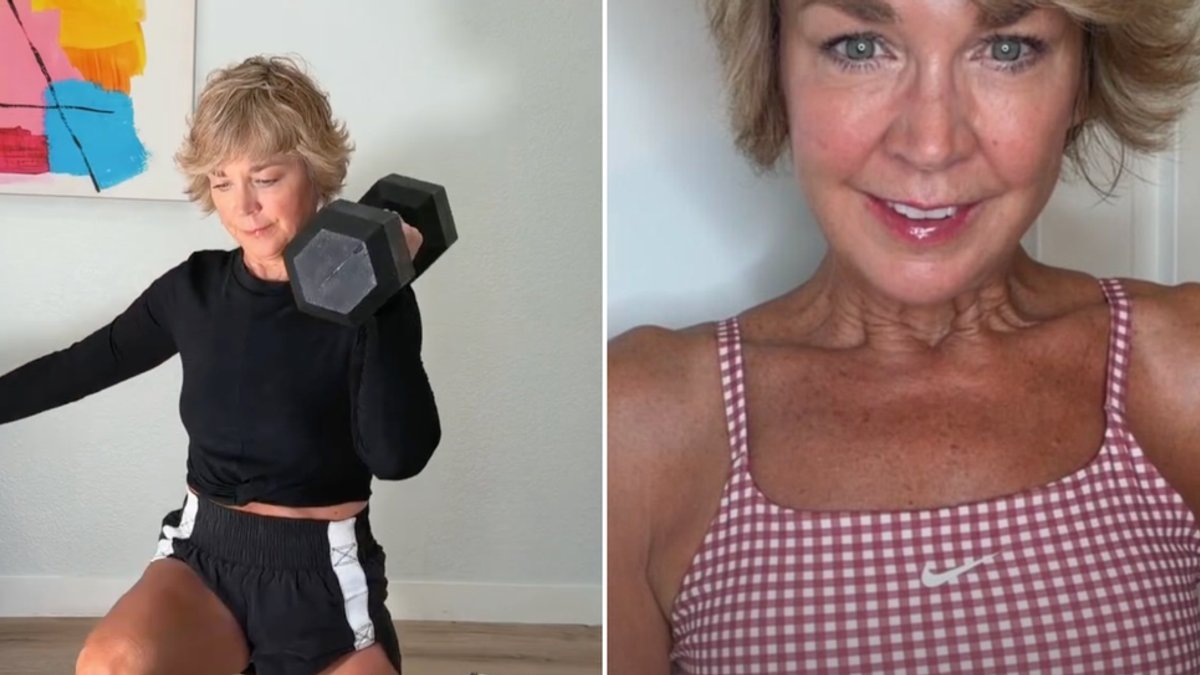
Fitness creator Suzi Jalowsky shared the five-move workout she relies on to build a strong lower body at 60. The routine requires just one dumbbell. Jalowsky writes on Instagram that users should aim for 12 to 15 reps of each move, completing three rounds. She emphasizes slow, controlled movements and notes that consistent muscle challenge is more important than using many different exercises. The fitness expert uses a 13kg dumbbell, but beginners should start with bodyweight before adding resistance.
Single-leg Romanian deadlift x 12-15 each side: Stand with feet slightly narrower than hip-width apart. Shift weight onto the left leg with a soft bend in the knee. Hinge at the hips to lower the chest while raising the right leg behind. Lower the dumbbell toward the floor, then reverse the movement to return to standing. Hold the weight in the opposite hand to the planted leg.
Split squat x 12-15 each side: Stand with feet under the shoulders, holding the dumbbell in one hand. Step the opposite foot forward into a split stance. Keep the torso upright and bend both knees, allowing the back heel to lift as you lower under control. Pause, then drive through the front heel to stand.
Wide-stance squat with step x 12-15: Stand with feet wider than shoulder-width apart, toes turned out slightly. Hold the dumbbell with both hands between the legs. Squat down, keeping weight through the heels. Push back up to standing, squeezing the glutes as you step one foot in toward the other until the feet are close together. Alternate sides with each rep.
Goblet squat x 12-15: Hold the dumbbell in front of the chest. Keep elbows tucked underneath the weight. Bend the knees and sit the hips back as if lowering into a chair. Engage the core and avoid rounding the shoulders or back. Pause when thighs are parallel to the floor, then drive through the heels to stand.
Turn toes out by 30 to 45 degrees. Hinge at the hips, keeping the chest lifted to reach down and grip the dumbbell with both hands. Brace the core, squeeze the glutes, and stand tall by driving the hips forward. Lower the dumbbell back to the floor with control.
Why leg strength matters
Strong legs help preserve walking speed and mobility, both of which have been linked to a lower risk of dementia. While researchers have not fully identified the exact mechanisms behind this connection, they believe it may involve improved blood flow to the brain and the effects of resistance training on the nervous system. This relationship between physical and cognitive health is particularly relevant for older adults. Unlike many high-intensity interval training programs that focus on quick bursts of activity, this routine prioritizes controlled repetitions to build stability and endurance without rapid changes in pace. The physical benefits of building lower-body power can directly support daily activities and reduce the likelihood of injury during routine movements.