A wellness retreat near Cancun turned into an intensive focus on gut health after a four-day stay at SHA Mexico. The experience shifted from relaxation to medical diagnostics and dietary adjustments designed to reset the digestive system. The resort merges luxury accommodations with advanced medical services, including an on-site laboratory and stem cell clinic. The writer’s visit began with a series of baseline assessments, blood pressure, body fat percentage, glucose metabolism, and cognitive function tests, all conducted in a modern, all-white examination room. These findings formed the basis for a tailored treatment plan under the Rebalance & Energize program, supplemented by the Gut Health Pack to address long-standing digestive concerns.
Initial testing revealed an imbalance in gut bacteria. The dietary restrictions that followed were more rigorous than anticipated: no apples, wheat, dairy, onions, or garlic were permitted. Instead, meals adhered to a low-FODMAP protocol, with options customized to individual needs. The resort’s dining room, featuring high ceilings and ocean views, served multi-course meals totaling under 2,000 calories. Cooked vegetables replaced raw varieties to minimize bloating, while proteins like sea bass, grilled shrimp, and seared salmon ensured variety. One unusual guideline prohibited drinking liquids during meals or within 30 minutes before or after eating. Staff attributed this to better nutrient absorption and reduced stomach acidity, though external validation for the claim was lacking. Wine was available but rarely consumed.
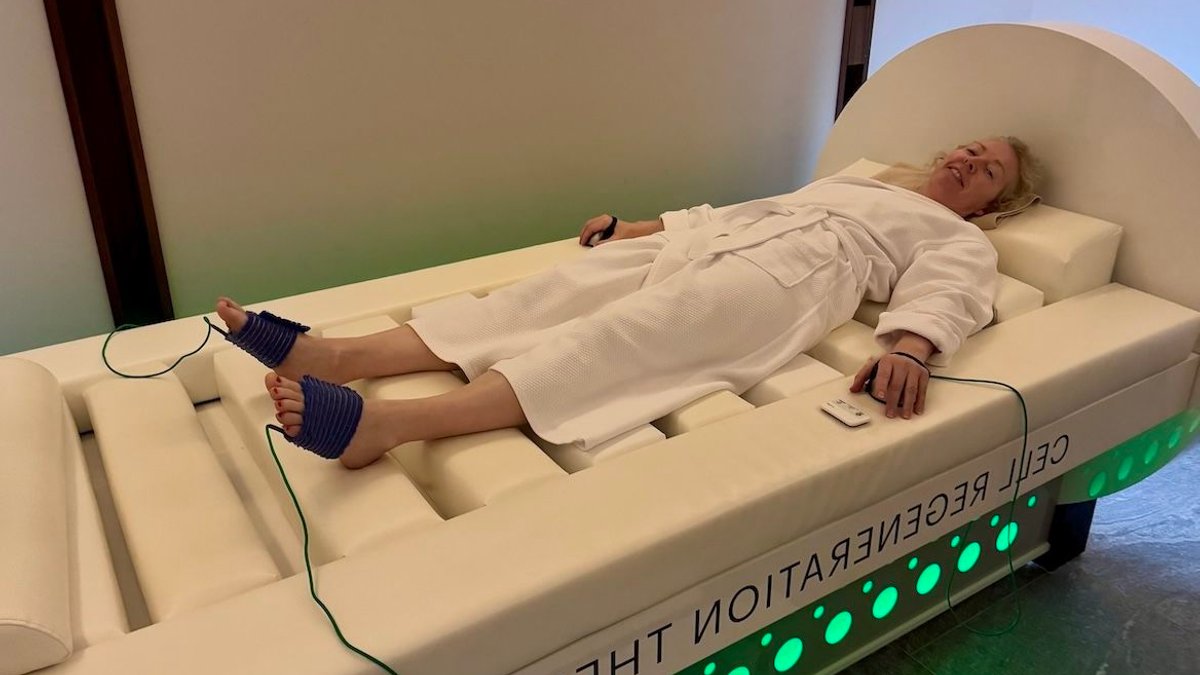
Between medical consultations, treatments spanned cutting-edge and unconventional methods. A device called Prognos, originally engineered for astronauts, measured electrical resistance in extremities to identify energy blockages. It pinpointed sinus congestion, lower back pain, slow digestion, and knee discomfort, all of which were confirmed within days. Additional sessions included hyperbaric oxygen therapy, cellular regeneration treatments, and intestinal ozone therapy, administered rectally to target gut inflammation. Most practitioners recommended three to five sessions for optimal results, though the writer’s short stay limited follow-up opportunities.
The resort’s design, water features, curved walls, and oceanfront vistas, softened the clinical atmosphere. The only exception was the Mayan Sobada massage, which targeted the large intestine. Though intense, the pressure matched that of other deep-tissue therapies. By the program’s end, bloating and cramping had decreased, energy levels improved, and the writer’s physical appearance no longer suggested severe discomfort. Whether the changes stemmed from dietary adjustments, rest, or ozone therapy remained unclear. Pending stool test results and a final virtual consultation with a physician were expected to provide further clarity, but the immediate physical improvements were evident.