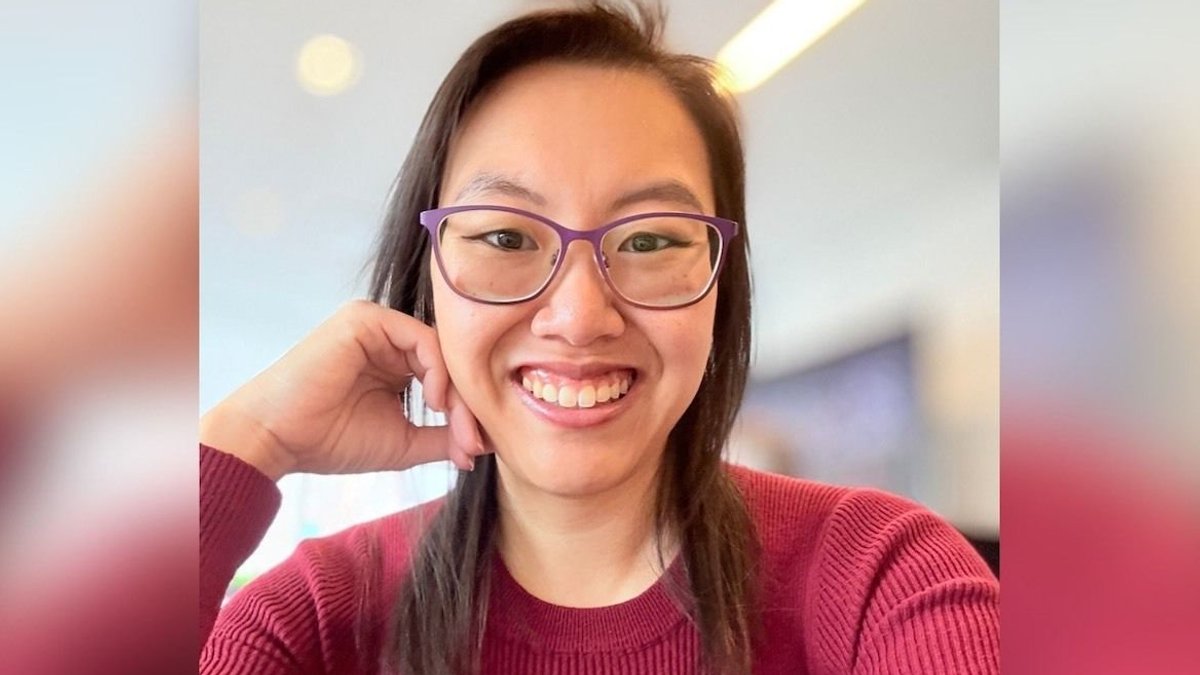
Marlee Silliker was just 17 when she was diagnosed with type 2 diabetes. It came as a shock, since she had no family history to warn her of the risks.
“I was having just routine blood work, and that’s how they caught that,” she said. At the time, she didn’t think she had symptoms, so she didn’t suspect anything was wrong. Her diagnosis was caught almost by chance.
Recognizing the signs
Now 34, Silliker realizes there were signs she might have noticed if she’d known about type 2 diabetes. Symptoms like darkening underarm skin and increased thirst were present, but puberty masked those changes.
Managing Diabetes with a Positive Outlook
Marlee Silliker’s experience with type 2 diabetes has been marked by a positive mindset and gratitude. Despite the challenges, she didn’t find the adjustments to her new life overly difficult. She remains grateful for her life and the support system she has in her family and friends.
Life after diagnosis
Silliker’s life was “definitely impacted” by her diabetes diagnosis, especially as she was about to start university and live more independently. She was already preparing for a big life change, and the diagnosis added another layer of complexity.
“I didn’t find it too bad,” she said.
However, getting used to checking her blood sugar and taking insulin was different.
Today, Silliker no longer takes insulin. She’s switched to Ozempic, a treatment that keeps her blood sugars stable and helps her lose weight.
Silliker now feels her diabetes has a “relatively minimal” effect on her daily life.
She admits she’s not perfect in her management and sometimes craves Kraft Dinner, but balance and moderation help her stay on track. “Overall, it’s pretty good,” she said.
“Especially since I’m type 2, which is rare for a younger person,” she said.
Silliker has always been curious about her family history, but her love for her parents, who raised her in Dartmouth, Nova Scotia, often overrides that curiosity.
Knowing her family history wouldn’t change her situation, so she focuses on managing her diabetes as best she can.
Another stigma Silliker faces is the assumption that she can’t eat certain foods and must be “extra vigilant” about sugar.
For those starting their diabetes journey, Silliker emphasizes that the misconception of people being 100 percent to blame for their diabetes is false.