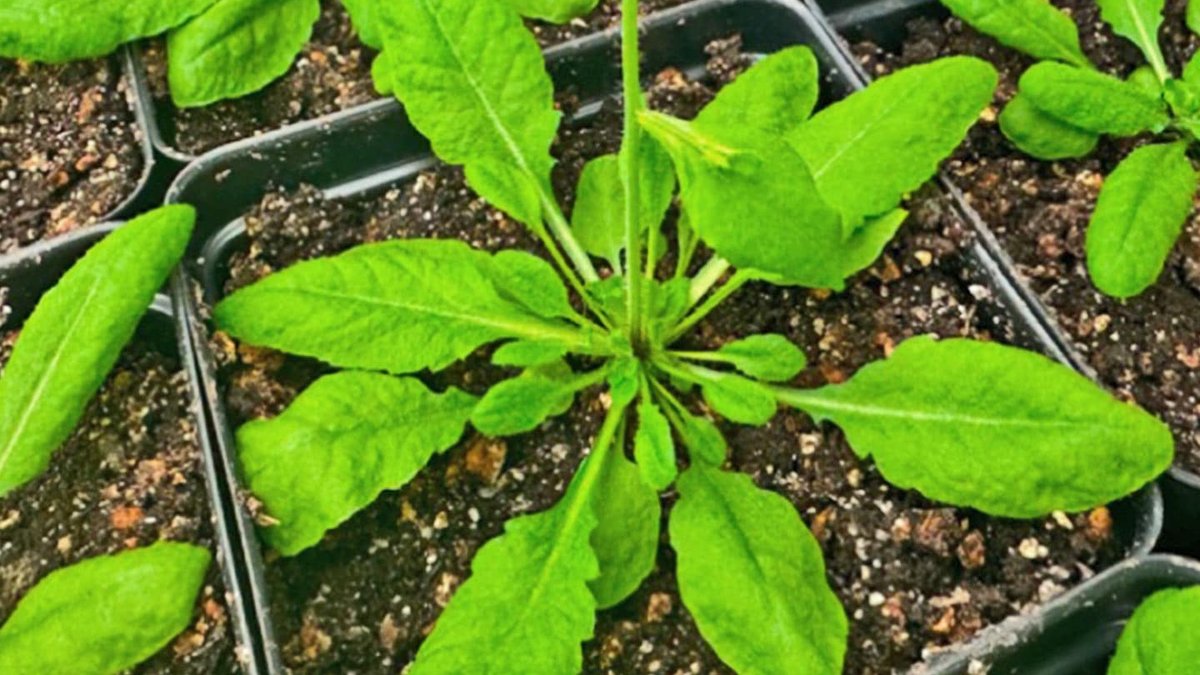
Researchers at New York University and Argentina have identified a protein that tells plants when they have taken in enough nitrogen, a discovery that could help reduce the amount of fertilizer needed on farms.
Key protein linked to nitrogen satiety
The study, published in The Plant Cell, examined how plants sense nitrogen levels and stop absorbing more once they reach a sufficient supply. The team focused on a transcription factor called HHO5, which appears to act as a molecular “full‑stop” signal.
When plants have enough organic nitrogen—a form used for long‑distance transport, storage, and the synthesis of amino acids—HHO5 levels rise. The protein then performs two opposing tasks: it activates genes that manage organic nitrogen and amino‑acid metabolism, while simultaneously repressing genes that mediate the uptake of inorganic nitrogen from the soil.
Related: New drug shows heart benefits for muscular dystrophy patients
“Inorganic nitrogen is taken up by plants from soil and assimilated into organic nitrogen. This nitrogen uptake and assimilation process is heavily energy intensive,” explained lead author Will Hinckley, a doctoral student in NYU’s biology department. “When organic nitrogen sufficiency triggers the HHO5 gene, HHO5 in turn signals for the plant to stop absorbing additional inorganic nitrogen… likely as a means of conserving energy.”
Co‑senior author Gloria Coruzzi noted that improving fertilizer efficiency would have important environmental, economic, and geopolitical impacts. Excess nitrogen from fertilizers currently seeps into waterways, spurring algal blooms and contributing to nitrous‑oxide emissions, a greenhouse gas far more potent than carbon dioxide over a century.
While the research points to the possibility of “gluttonous” plants that take up more nitrogen, the authors caution that any genetic modifications would need careful assessment to avoid unintended ecological effects.
Related: Wildfire smoke affects New York bird sightings
One reason this work matters is that nitrogen fertilizer production is energy‑intensive and subject to supply chain disruptions. Enhancing plants’ natural ability to use nitrogen more fully could lower the demand for synthetic fertilizers, easing both cost pressures and environmental burdens.
In the broader context, the discovery illustrates how plants integrate multiple signals to balance growth and resource use. Understanding these internal checks helps scientists predict how crops might respond to changing climate conditions, where nutrient availability can be unpredictable.