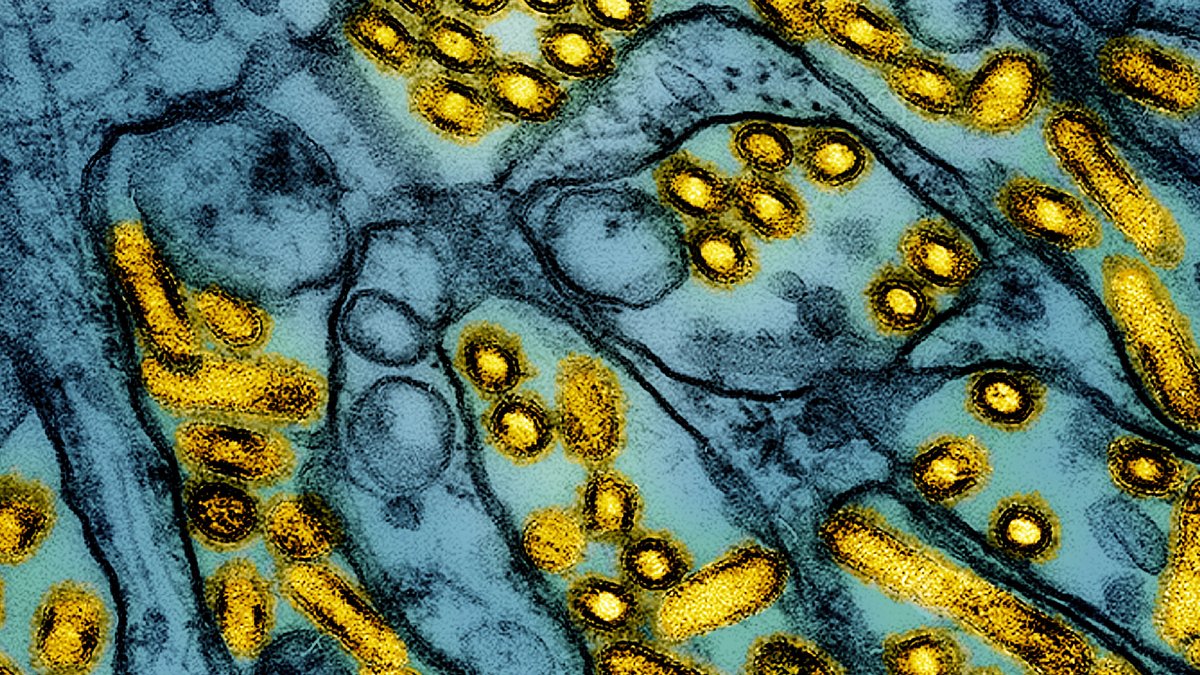
A Washington state resident has died from complications tied to bird flu, the first U.S. fatality from the virus in 2026. The Yakima County individual, who had pre-existing health issues, was exposed to avian influenza at a dairy where cattle tested positive for the H5N1 strain. Health authorities confirmed the death occurred Sunday following hospitalization.
This fatality is the third U.S. death linked to bird flu since the virus emerged as a national public health issue in 2024. The first death, reported in January 2025, involved an elderly Louisiana resident infected with H5N1. A second fatal case in Washington state last November was connected to H5N5, a less common variant. The Centers for Disease Control and Prevention identified the latest fatal case as H5N1.
Yakima County officials have documented 33 dairy herds testing positive for H5N1 in recent weeks. Three human infections have been traced to a single dairy operation, leading to contact tracing efforts by the Yakima Health District in partnership with the state health department. Authorities are tracking close contacts for signs of illness.
Read Also: Employers find workaround for GLP-1 costs
The CDC examined the virus strain from the deceased and found no genetic changes that would heighten transmission or worsen severity. Although over 70 human cases have been recorded in the U.S. since 2024, no ongoing person-to-person spread has been observed. The agency maintains that public health risks remain low.
H5N1 has been present in wild birds, poultry, and livestock for years, but outbreaks among U.S. dairy herds in early 2024 heightened concerns. Environmental contamination increases exposure risks for those handling infected animals, especially farmworkers. Health officials continue advising protective measures, such as masks, gloves, and eye protection, for anyone interacting with sick or dead birds.
While dairy workers and livestock handlers face higher exposure risks, the general public remains at minimal danger. Current precautions emphasize reducing direct contact with infected animals, as no human-specific vaccine or treatment exists for avian influenza.