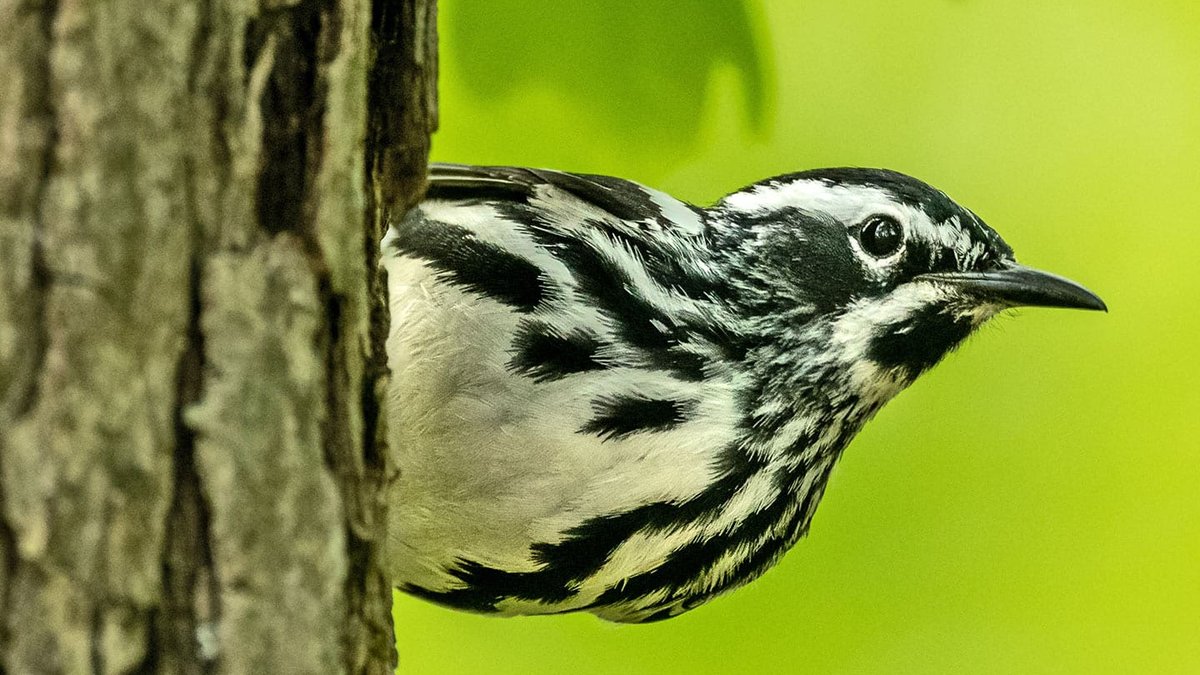
New research connects Canadian wildfire smoke to a noticeable drop in bird sightings across New York State during recent breeding seasons.
Study links fine particulate matter to reduced observations
Scientists examined fine particulate matter (PM2.5) levels in New York from 2021 through 2023, focusing on periods when wildfire smoke from Canadian fires drifted south. The highest concentrations occurred in 2023, when smoke from what officials call Canada’s historic wildfire season coated the state for weeks in June and July. At times, PM2.5 exceeded World Health Organization limits by up to eightfold.
To gauge the impact on birds, the researchers matched air‑quality data with nearly 99,000 checklists from the Cornell University eBird database, a citizen‑science platform that aggregates observations from birdwatchers statewide. After filtering for consistency and applying statistical controls, they evaluated 84 bird species for changes in detection probability.
Results showed that 40 species were less likely to be observed as PM2.5 rose. The affected group included many migratory forest songbirds—warblers, thrushes and vireos—whose typical habitats lie in dense canopies. The authors suggest smoky conditions may suppress bird activity, making them sing and move less, which in turn reduces their visibility to observers.
Mixed responses among different bird groups
Not all species responded the same way. Fifteen birds actually became more likely to be recorded when smoke levels increased, while another 29 showed no statistically significant change. The latter category comprised several aerial insectivores and wetland‑associated birds.
Coauthor Adam Wilson noted that the rise in sightings for some species could reflect where birdwatchers chose to observe rather than any biological benefit. “These species often occupy more open environments than forest songbirds, so it’s possible their increased sightings had more to do with where birdwatchers chose to observe during smoky conditions than how the birds themselves responded,” he said.
Related: The hidden workings of your mind
Overall, the findings caution against interpreting fewer detections as outright population declines. Instead, they highlight a detection issue: smoke may simply mask birds that are still present.
From a practical standpoint, the study suggests that birdwatchers and conservationists need to adjust monitoring protocols during smoky periods. If surveys rely on visual or auditory cues, they may underestimate species that remain hidden in the canopy, potentially skewing long‑term trend data.
“Our results show a link between wildfire smoke and the probability of observing particular bird species,” said corresponding author Festus Adegbola, a PhD candidate in geography at the University at Buffalo. He added that ignoring air‑quality variables could bias models of species distribution and abundance.
As climate change fuels more intense and frequent wildfires, understanding how smoke influences wildlife becomes increasingly relevant. Wilson emphasized that this work is an early step toward integrating air‑quality considerations into biodiversity assessments, a gap that has received limited attention until now.
Other coauthors from the University at Buffalo and the Cornell Lab of Ornithology contributed to the analysis, showing a collaborative effort between academic and citizen‑science communities.