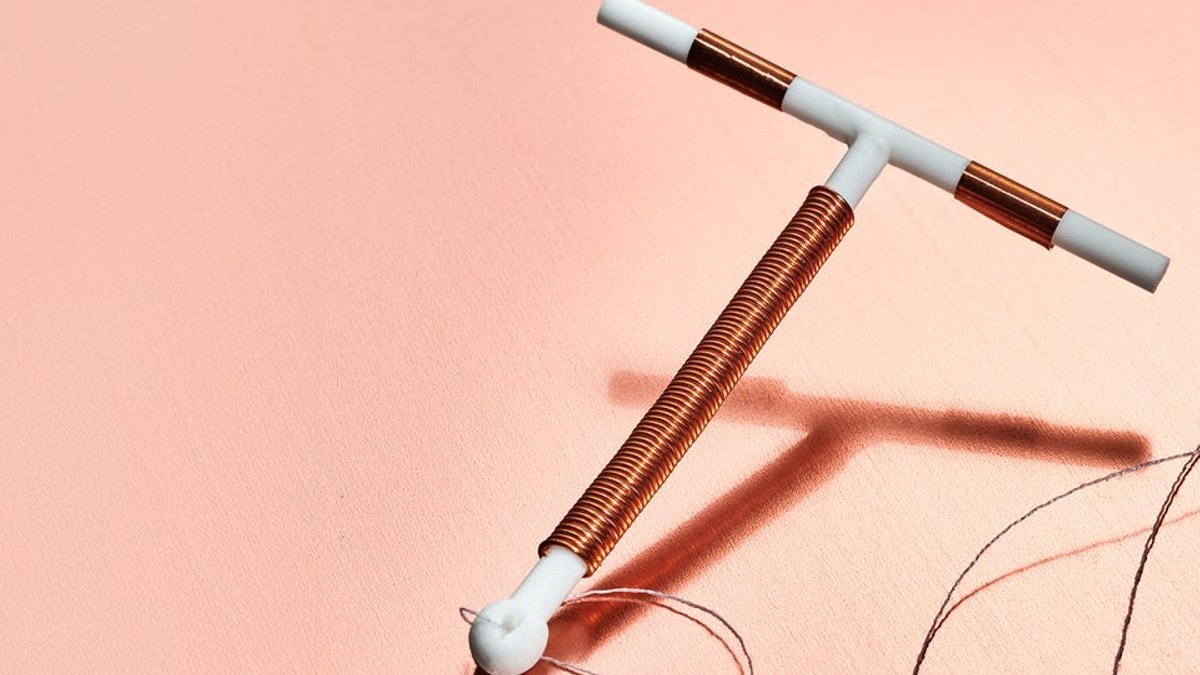
Managing menopause often feels like handling uncharted territory. As perimenopause begins, symptoms such as night sweats and heavy bleeding can disrupt daily life. While standard hormone therapies like pills and patches are common options, another contraceptive device offers a distinct set of benefits during this transition.
How Hormonal IUDs Work
Perimenopause involves significant hormonal shifts. Progesterone levels drop as ovulation becomes less consistent, while estrogen levels fluctuate. These changes can lead to anxiety, sleep problems, and vaginal dryness. To manage these symptoms, doctors often recommend menopausal hormone therapy (MHT), which typically combines estrogen and progesterone. However, the classic “set it and forget it” contraceptive can also be useful here.
Progesterone helps protect the uterine lining, which reduces the risk of endometrial cancer when estrogen is used alone. A 2020 review in Drugs in Context supports this protective role. Standard MHT often involves a mix of an estrogen pill or patch with a progesterone pill. Alternatively, doctors may prescribe a combination patch or vaginal estrogen cream. Another option is adding a hormonal IUD to provide progesterone alongside other treatments.
The primary advantage of a hormonal IUD in perimenopause is the reduction in menstrual bleeding. Dr. Sophia Yen explains that these devices contain levonorgesterol, a synthetic form of progesterone. This hormone gradually thins the uterine lining, leading to lighter periods. For this specific use, the IUD must contain 52 milligrams of levonorgestrel. Only the Mirena and Liletta options meet this requirement, as other hormonal IUDs with lower doses have not been scientifically proven for this purpose yet.
Systemic forms of progesterone, like pills and patches, travel through the bloodstream and can affect the entire body. Some patients find this helpful for sleep and anxiety, while others experience side effects like bloating or mood changes. The IUD offers a localized approach, delivering progesterone directly to the uterus. This can be appealing for those who have had negative reactions to systemic treatments.
Another practical benefit is pregnancy prevention. Statistics from 2025 show that unplanned pregnancies among women in midlife have doubled in recent years, surpassing rates among teenagers in the United States. The progesterone IUD carries few contraindications, though active infections or pelvic inflammatory disease may rule it out.
Read Also: Sleep Consistency More Important Than Duration, Study Finds
However, the insertion process can be uncomfortable. A 2023 study in The European Journal of Contraception Reproductive Health Care found that about half of women who had an IUD placed reported feeling “intense” pain.
Women who struggle with heavy periods, dislike systemic side effects, or want a low-maintenance option might consider an IUD. It is worth noting that while these devices are approved for up to eight years, studies indicate their protective effects and efficacy for heavy bleeding during perimenopause may only last five years. Patients should check in with their doctor around that time to discuss replacement.
Who Should Consider This Option
Women with heavy periods may find this method particularly useful. Those who have had negative reactions to systemic progesterone, such as bloating or mood changes, might prefer the localized approach of an IUD. This option suits individuals who dislike the daily routine of taking pills or applying patches.
However, irregular periods do not always improve with this device. If a patient has irregular cycles, a hormonal birth control pill or ring might be a better choice. These options work to block ovulation and help regulate the cycle. Patients should discuss their specific cycle patterns with their doctor.
Taking progesterone through an IUD or other systemic methods could increase the risk of cancer recurrence for these patients. Topical vaginal estrogen cream remains a safer alternative for managing symptoms without systemic hormone exposure.