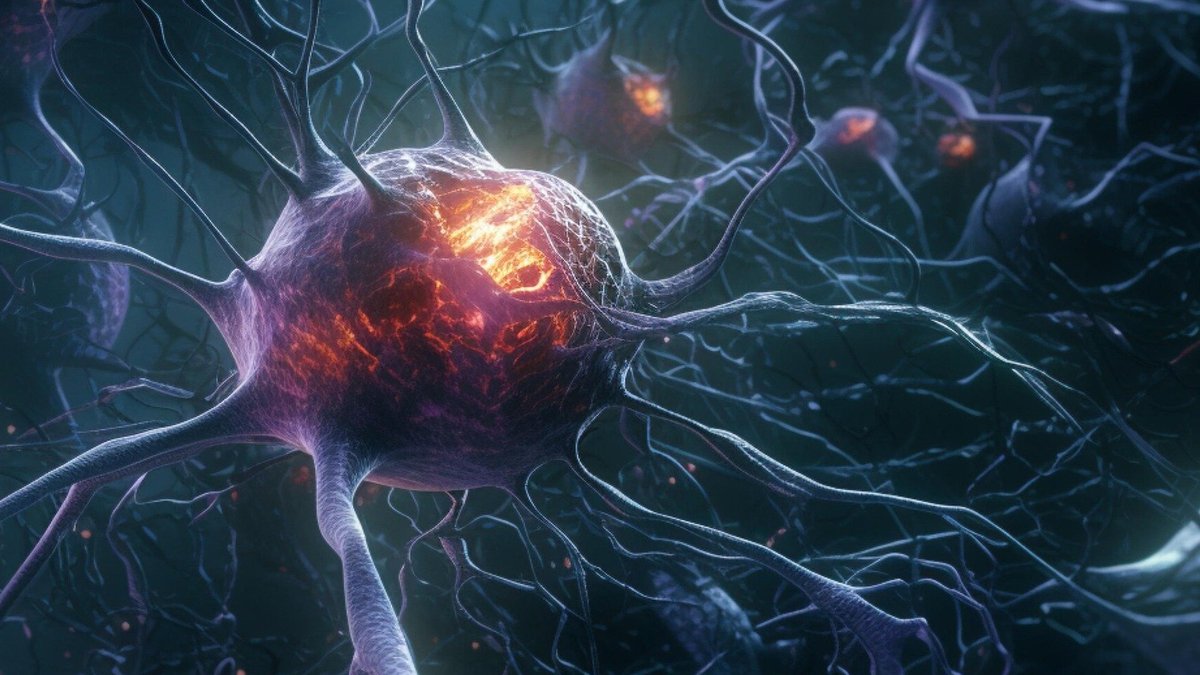
A new study indicates that life experiences and environmental shifts trigger significant modifications in the neural pathways linking brain cells, ultimately affecting overall brain function. Researchers employed an advanced technique to examine billions of individual synaptic connections and discovered that mice raised in stimulating surroundings exhibited varied alterations in synaptic populations across multiple brain areas.
The research, published in Nature Communications, demonstrates that different types of synapses react uniquely to environmental factors—some increasing or decreasing in quantity, while others showed no change at all.
Deciphering Synaptic Transformations
These observations may clarify why certain experiences enhance the brain’s adaptability, while others potentially impair its performance, according to experts. Previous studies have connected synaptic changes to sleep deprivation, traumatic brain injury, and genetic factors linked to autism, schizophrenia, and other neurological conditions.
The team proposes that modifications in diverse synaptic populations could represent a fundamental process by which the brain adjusts to both genetic predispositions and external influences. This insight might guide future strategies to restore disrupted synaptic networks caused by environmental stressors, genetic abnormalities, or physical damage.
Charting Neural Networks
While researchers have long recognized that experiences reshape brain structure, the precise mechanisms remained unclear. Learning and sensory input can alter the strength of communication between nerve cells, and synapses can form, disappear or change their structure. The Edinburgh-led investigation utilized synaptome mapping, a method combining high-resolution imaging with automated analysis, to assess synaptic connections throughout an entire mouse brain.
By analyzing mice exposed to enriched environments, featuring running wheels, changing mazes, and enhanced social interaction, the researchers determined that overall synaptic density did not rise significantly. Instead, their findings emphasized that the quality and type of synaptic connections are more important than the quantity in driving brain changes.
To assess broader sensory impacts, the team examined mice with one eye closed for seven days. They observed that visual deprivation triggered synaptic changes extending beyond visual processing regions, affecting areas responsible for other senses and memory functions.
Broader Implications for Cognitive Health
The results imply that disruptions in one sensory domain can prompt extensive molecular adjustments across the brain, reinforcing the detailed interdependence of neural systems, specialists note. Dr. Hanan Woods, the study’s lead author, said, “Our findings suggest that sensory and environmental experiences reshape the molecular environment of synapses throughout the brain. This diversity and capacity for adaptation may provide an important foundation for understanding the brain’s resilience and vulnerability to disease throughout life.”
Seth Grant, a molecular neuroscience professor, said, “For development and education, the findings raise questions about how different combinations of sensory, physical, social and learning experiences shape the molecular architecture of the brain. The work provides a basis for future questions about how our environment, social interactions and experiences such as prolonged phone or tablet use modify the brain.” Collaborators from Cardiff University and the University of Strathclyde contributed to the research.