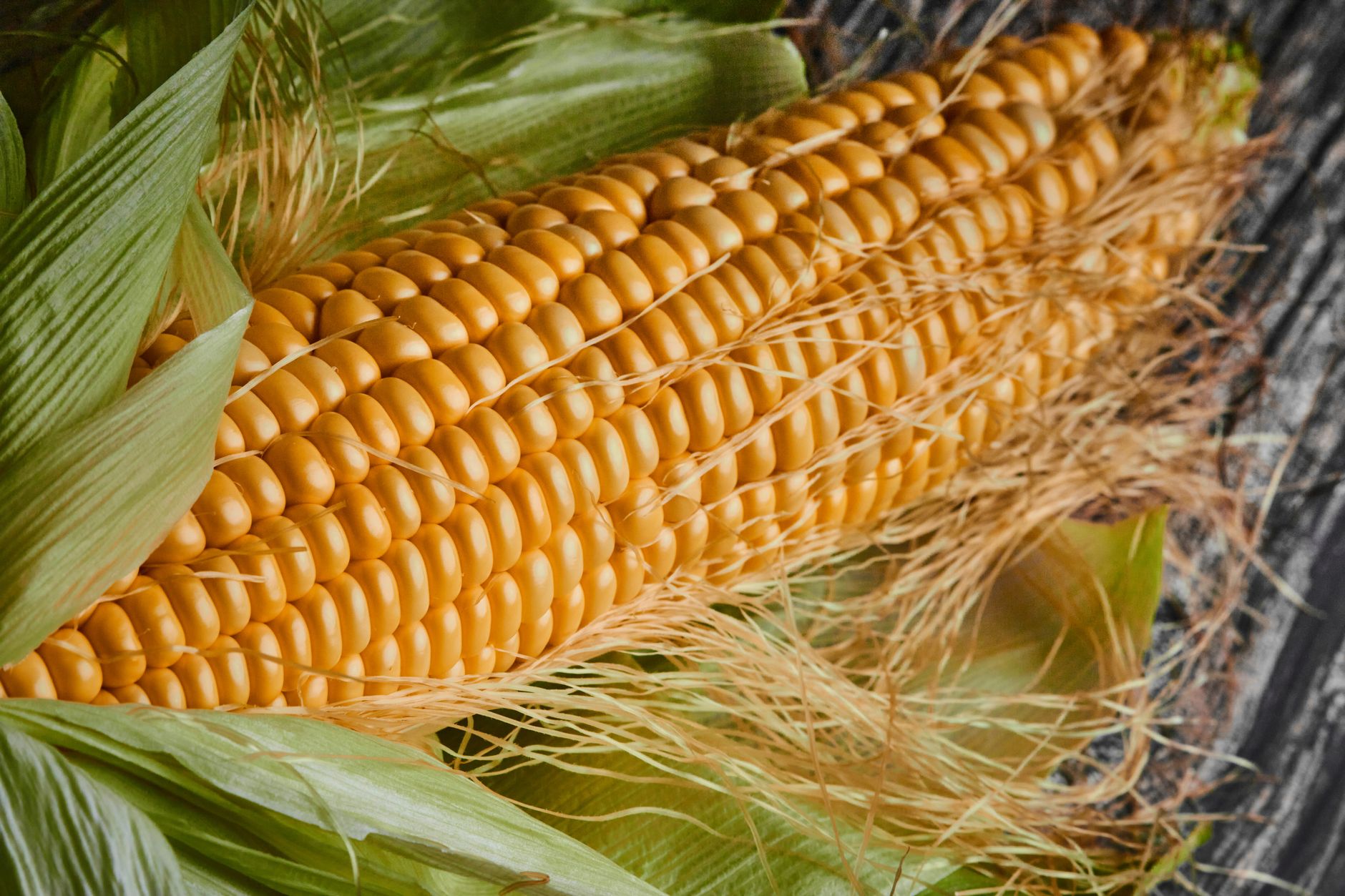
Researchers at the University of Missouri are developing a purple corn‑based colorant that could replace synthetic dyes such as Red No. 40 in a range of processed foods.
The research could change food coloring.
Natural pigments from a South American variety
The team works with a purple corn traditionally cultivated in South America. Its color comes from anthocyanins, the same pigments that give blueberries and red cabbage their deep shades. In the grain, these compounds concentrate in the pericarp, the thin outer layer of the kernel. “It’s the layer that often gets stuck in your teeth,” said Pavel Somavat, who holds joint appointments in the university’s College of Agriculture, Food, and Natural Resources and its College of Engineering. “In purple corn, that’s where our most valuable components are.”
Anthocyanins also act as antioxidants, which research links to reduced inflammation and better heart health. That dual benefit differentiates the natural color from petroleum‑based dyes that serve only aesthetic purposes.
Stability testing shows promise
One obstacle for natural dyes is their fragility when exposed to heat, light, or oxygen. Food processors often heat ingredients to as high as 250 °F, and products must stay visually appealing for weeks on store shelves. In laboratory trials, the purple corn pigments retained roughly 75 % of their color after an hour at raised temperatures. When coated with food‑grade protective materials, retention rose to nearly 97 % for certain compounds, yielding shelf‑stable powders that are easier to store and ship.
In a beverage simulation—an especially harsh environment due to acidity, light exposure, and long storage times—the colorants performed well. “Purple corn‑based colorants held up in acidic and basic environments,” Somavat noted. After seven weeks of refrigerated storage, the loss of color was minimal, suggesting suitability for fruit juices, flavored waters, and sports drinks.
These findings appear in the journal NPJ Science of Food, indicating that the durability of purple corn pigments rivals that of many synthetic alternatives.
Related: Wildfire risk grows for US landmarks
While the data are encouraging, broader adoption will depend on scaling production. Missouri already ranks among the nation’s top producers of conventional yellow corn. For the past five years, researchers have been adapting purple corn to the Corn Belt’s climate, aiming to give local farmers a new cash crop.
Collaboration with Sherry Flint‑Garcia, a research geneticist with the U.S. Department of Agriculture’s Agricultural Research Service, focuses on breeding hybrids that combine strong coloration with agronomic performance. “Some of the most colorful types don’t grow well here, so we’re crossbreeding them with types of corn that already do well in places like Missouri,” Flint‑Garcia explained. The goal is to produce varieties that thrive in Midwestern fields while delivering the same bright hues.
From a market perspective, the shift could help manufacturers meet consumer demand for cleaner labels. If the color remains stable through processing and shelf life, companies can replace artificial dyes without sacrificing visual appeal.
The technology may influence regulatory discussions around food additives. While the current study does not address approval pathways, the demonstrated stability and health‑linked properties could make the case for a smoother review process.
Potential impact on the food supply chain
Should the hybrid varieties prove commercially viable, the supply chain could see new sourcing options. Farmers growing purple corn would add diversity to their crops, potentially reducing reliance on a single commodity. Processors would gain access to a natural pigment that meets existing performance standards, and retailers could market products with a clearer ingredient list.
Consumers, meanwhile, might notice fewer synthetic dyes on ingredient panels, aligning with growing preferences for natural foods. The health benefits linked to anthocyanins could also become a selling point, though any claims would need to be substantiated under current labeling rules.
Overall, the research suggests that purple corn could move from a niche specialty crop to a mainstream ingredient, provided that breeding, processing, and regulatory hurdles are addressed.