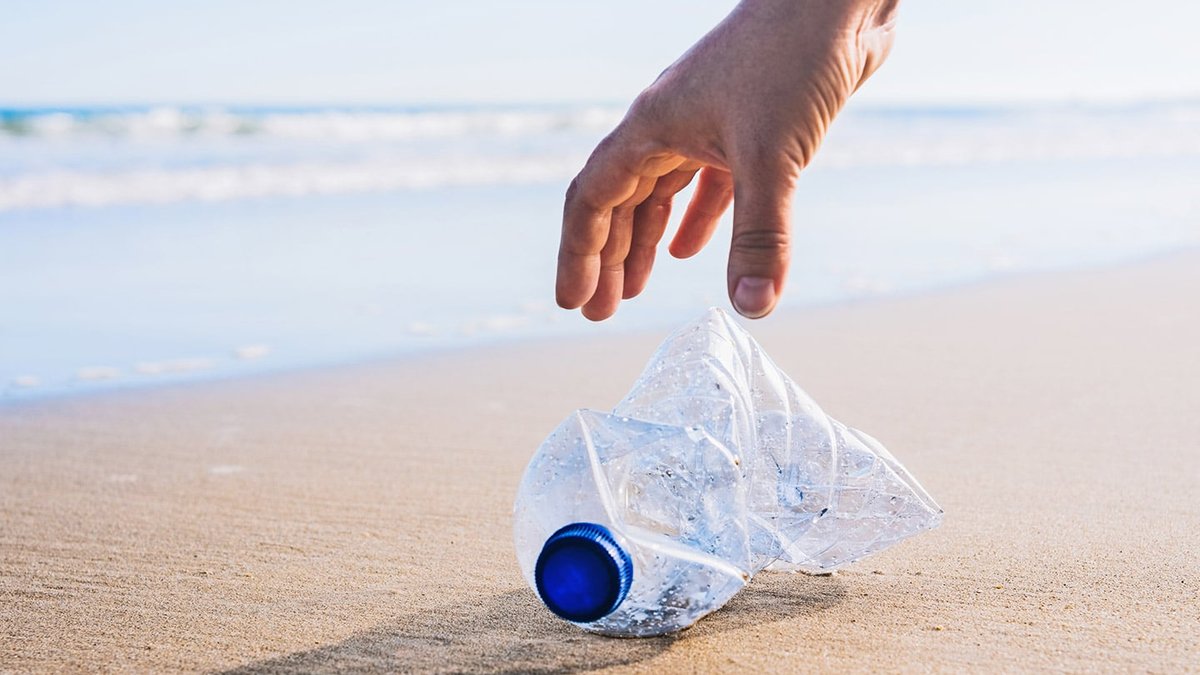
People might be more inclined to keep their community clean if they believe it benefits them personally, according to new research. The study found that focusing on how volunteering can benefit participants, such as by providing a new way to meet people or stay active, may encourage people to grab a trash bag and get to work.
Framing the message
“When we think about messaging, sometimes we think we’re going to get attention if we tell people they’ll lose something, right? But the messages we generate might have a broader impact if they’re positive,” says Jennifer Gay, corresponding author of the study and an associate professor in the University of Georgia College of Public Health.
“When messages and themes related to future environmental behaviors are positively framed, people see benefits about the environment but also their own health.”
Researchers conducted two surveys with more than 1,000 US adults living in coastal regions ranging from Georgia to California. The goal was to understand what motivates locals to remove waste from their surroundings.
Related: Corn based alternative to food coloring developed
Individuals were first asked to consider both personal barriers to volunteering to help clean up the environment and possible positive outcomes with participating. They were asked to finish the sentence: “If I pick up trash while being active outdoors, I am likely to…” to gauge those feelings. People answered these questions with responses like: “I am likely to meet new people” or “I am likely to feel more fit afterwards.”
The second survey asked the same coastal residents about present and future pro-environmental actions and beliefs, as well as their physical activity levels. For example, participants were asked how likely they would be to pick up litter in response to messages about protecting marine life or cleaning up beaches, as well as gaining physical and mental health benefits (like heart health and lower stress).
Across both surveys, connecting coastal cleanup to something positive like improved physical fitness resonated with the participants.
People said they would be more eager to help clean up their coastal community if the message language was less focused on problems associated with marine debris and its negative impacts on the environment and more focused on human reward: social, mental, and physical well-being benefits. When those benefits were spelled out, people said they would be more likely to pick up litter in the future.
There is potential to engage new audiences in litter prevention through campaign messages focused on these positive benefits, says Katy Smith, coauthor of the study and a public service associate with UGA Marine Extension and Georgia Sea Grant. “We can use this to help promote environmental stewardship by showing the personal satisfaction gained in protecting the outdoor spaces we care about.”
Related: User Claims Account Blocked Without Explanation
Active versus inactive groups
The framing was particularly effective on those who said they were already physically active. People who believed combining cleanup efforts with exercise would lead to a better workout or even help them lose weight were more likely to add picking up litter when outdoors over the next months.
Respondents who said they regularly participate in moderate-to-vigorous intensity exercise especially considered bending over, lifting, and any other action involved in cleanup as a win-win for both themselves and the environment.
“Picking up litter can have immediate physical health benefits because you’re walking, bending, reaching, and using fine motor control. It’s a form of functional fitness,” Gay says. “Whether you’re out and you see a water bottle to pick up, or you’re going out for an hour or two and picking up trash, considering that physical activity component can prioritize those behaviors in the thinking process.”
Those who identified as less active found different benefits involved with cleanup appealing. They were still enticed by positive outcomes but were more likely to commit to cleanup efforts if they saw perks in aspects of community or efficiency, not just physical activity. These participants viewed picking up litter as an opportunity to meet new people.
People who reported being less physically active saw feelings of belonging and pride as positive effects of litter cleanup. Knowing their efforts helped make their town more beautiful instilled a feeling of accomplishment.
Related: Nature’s Sights and Sounds Boost Mental Health
“Being in nature or natural spaces without trash makes people feel less stressed and more connected to nature,” Gay says. “The absence of litter in your environment can build social cohesion and make people feel like they’re more part of a community.”
While the study highlights the power of positive framing, it also suggests a challenge for campaign designers. If a message relies too heavily on abstract concepts like “global stewardship” or vague “environmental duty,” it may fail to motivate the less active portion of the population, who often view civic duty as separate from their daily health or social needs. Effective cleanup campaigns may therefore need to segment their audience and tailor specific benefits for those who do not view exercise or socialization as primary goals.
Litter cleanups have direct positive impacts in our communities and the ocean, Smith says. “They not only improve the aesthetics of our neighborhoods and outdoor spaces, but they also prevent litter from becoming marine debris. Marine debris prevention begins on land, and everyone can play a part with small daily actions, like participating in litter cleanups in the outdoor spaces they enjoy.”
The study appears in Environment and Behavior. Additional coauthors are from UGA and the University of California, Santa Barbara.