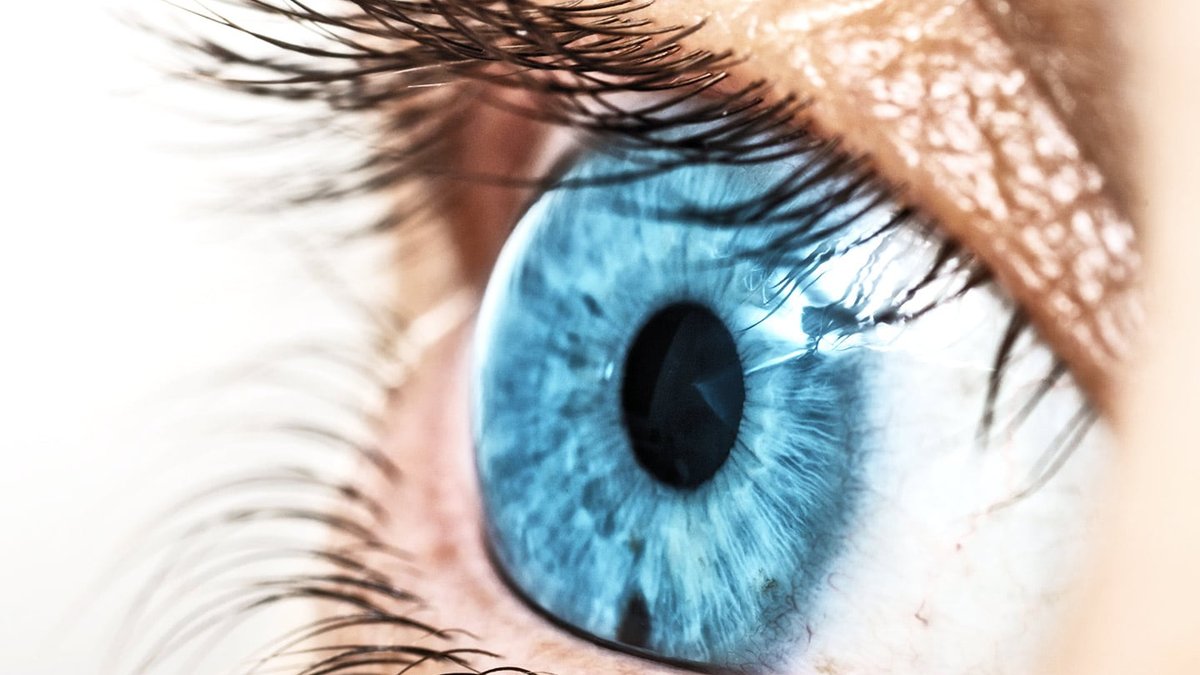
Struggling to read more than six lines on an eye chart with fading letters may serve as a visual warning for older adults, raising red flags that routine exams sometimes fail to detect.
Traditional eye charts can miss important vision changes that often occur as we age because they use high contrast with black letters on a white background, says University of Michigan neuro-ophthalmologist Lindsey De Lott. But they can also measure vision using letters in different shades of gray.
In these lower-contrast charts, the letters become progressively lighter and harder to see, which they call contrast sensitivity, according to De Lott. Researchers have long known that contrast sensitivity is a better way to detect certain vision problems.
They didn’t have a threshold or number that told them where on this contrast sensitivity chart patients start to experience problems with their vision in their day-to-day life, like trouble recognizing faces, reading print, or watching television, De Lott says. Now, doctors might be able to help them before reaching the point of severe vision problems.
This makes the test more actionable for clinicians and more meaningful for patients, says Shu Xu, a postdoctoral fellow at UM’s Institute for Social Research. Many older adults with normal visual acuity scores still had poor contrast sensitivity and reported vision problems.
Traditional vision testing may miss important aspects of visual function that affect daily life. Many older adults report that their vision is not as reliable as it used to be. Some have difficulty reading medication labels in dim light or seeing objects that do not stand out clearly from their background.
Contrast sensitivity is the ability to detect subtle differences between a target and its background. Poor contrast sensitivity has been linked to important real-world outcomes, including falls, difficulty driving, and loss of independence.
Clinicians and researchers often label scores two standard deviations below the mean as impaired, which simply tells you that you are worse than average—not that you are likely to have trouble in real life, Xu says. This study links contrast sensitivity directly to older adults’ self-reported visual difficulties in daily life.
They used data from 4,475 Medicare beneficiaries in the National Health and Aging Trends Study, making the results nationally representative.
Our functional approach makes the threshold more relevant for clinical decision-making and public health, De Lott says. They found that people began reporting trouble even when their vision measured using traditional charts would not be considered impaired.
Adults 65 and older who report poor vision despite normal exam results may benefit from contrast sensitivity testing. Early changes in vision can appear before standard visual acuity declines, and several causes can be treated.
We are currently building on this work by examining whether older adults with contrast sensitivity below the newly identified threshold are at greater risk of future declines in health and independence, Xu says.
Supporting healthier aging is a key aspect of public health initiatives, such as those promoted by the Centers for Disease Control and Prevention, and is closely related to planning for a healthy life, which involves considering various factors, including access to medical care and services that promote healthy living.