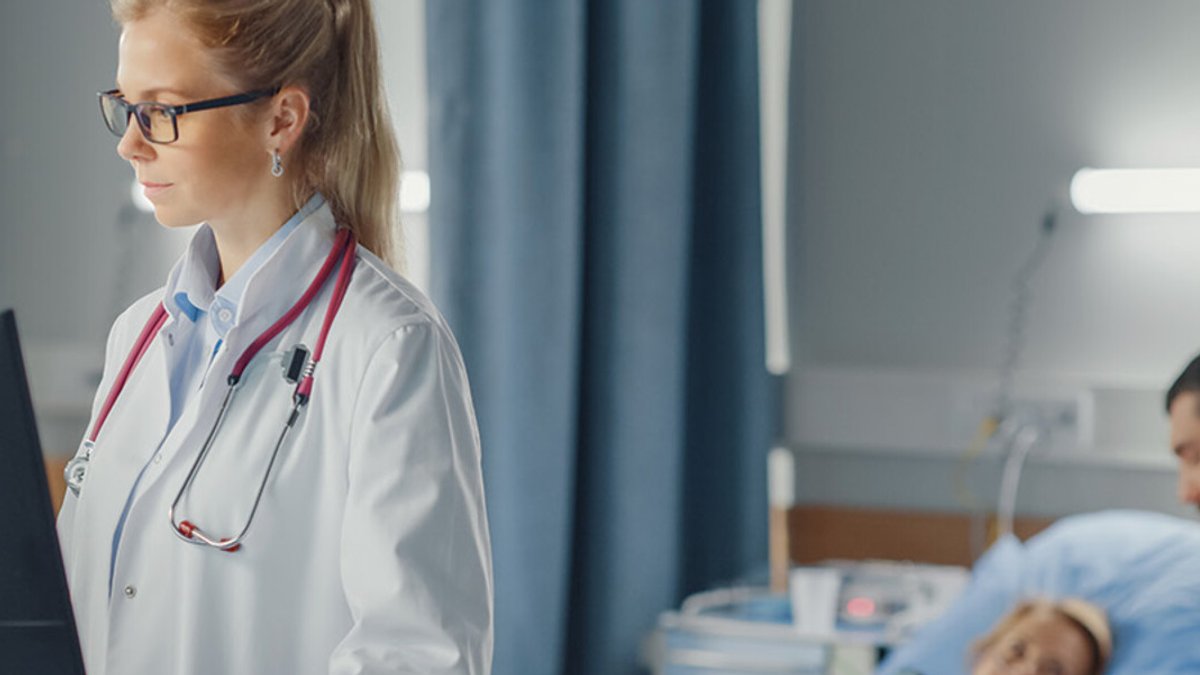
Hospitals face an overwhelming flood of data, but the true benefit comes from using it immediately. Edge computing and artificial intelligence now deliver real-time analysis directly at the point of care, slashing delays in detecting sepsis, preventing falls, and improving surgical outcomes. The transition from delayed batch processing to instantaneous insights stands to transform healthcare delivery entirely.
Timing plays a decisive role in clinical outcomes. Traditional analytics depend on centralized servers that process information hours after collection, but conditions like sepsis or cardiac arrest demand immediate responses. By the time lab results or imaging scans reach a data center, critical time may have already been lost. Edge computing addresses this by performing analysis where patients receive treatment. Portable imaging devices, wearable sensors, and bedside servers now process data on the spot. Romina Hipolito, chief nursing informatics officer at Dell Technologies, says, “These technologies bring useful insights right where patients are being diagnosed or tested.” As a result, clinicians receive alerts about deteriorating patients within seconds rather than after a shift change.
Speed in healthcare is not merely a convenience—it can mean the difference between life and death. Edge-powered AI systems can identify abnormal vital signs before they escalate into emergencies, providing doctors with the critical window needed to intervene effectively. Hipolito notes that “nobody wants to be in the hospital longer than they need to be.” Beyond saving lives, these systems also reduce hospital stays by minimizing unnecessary tests and lowering readmission rates, which benefits both patient satisfaction and hospital capacity during periods of high demand.
Edge AI is already in use across high-risk areas in healthcare. One critical application is fall prevention. Staff shortages often prevent continuous monitoring. AI-driven cameras installed in patient rooms now address this gap by analyzing video feeds in real time. If a patient attempts to rise unassisted, the technology alerts clinicians, who can instruct the individual via an intercom to wait for help. At the same time, the alerted clinicians can notify the closest nurse or technician that the patient needs assistance. Hipolito explains that “the technology remotely monitors the patients to provide an extra safety layer, as opposed to having a person there, which is not always a possibility.”
AI transforms radiology and surgery in real time
Radiology departments are also experiencing significant advancements. Northwestern Medicine partnered with Dell Technologies and NVIDIA to deploy a generative AI tool that processes X-rays, MRIs, and CT scans on edge devices. The system identifies anomalies such as tumors or fractures that radiologists might overlook during initial reviews. In testing, it improved diagnostic accuracy while reducing review time by 40%, all without compromising precision.
Related Post: Clover Health Faces Four Class-Action Lawsuits Over Breach
Surgical procedures are being upgraded similarly. During endoscopies, edge AI now examines video feeds as they are captured, highlighting suspicious tissue in real time. Surgeons no longer face post-procedure delays; potential issues are flagged during the operation itself. Hipolito says, “AI is analyzing right as the surgeon is performing the procedure, harnessing the power of AI at the bedside.”
These implementations share a core principle: converting raw data into immediate, actionable intelligence before a patient’s condition deteriorates. The primary advantage lies in decision-making at the point of care rather than in a distant data center.
Data quality and governance are non-negotiable
For edge computing to succeed, the underlying data must be reliable. Hipolito stresses that “the technology will only be as trustworthy as the data foundation beneath it.” Inaccuracies—whether from poorly calibrated sensors or inconsistent recording practices—can lead to false alarms or missed warnings. Healthcare organizations must first establish robust data governance before adopting edge tools. This includes standardizing how data is collected, verified, and stored. For instance, if wearable heart-rate monitors record readings every five seconds in one unit but every ten in another, edge AI trained on such variability will generate unreliable alerts.
Beyond data quality, hospitals must ensure edge solutions align with clinical workflows. Hipolito advises focusing on specific problems: “What problems are you trying to address?” A fall-detection system will fail if nurses dismiss alerts due to repeated false positives. The technology must integrate smoothly into existing processes or risk becoming another ignored tool. Involving clinicians from the outset is essential. Too often, IT teams design edge systems without doctor or nurse input, resulting in solutions that do not meet real-world needs. Hipolito highlights that “success hinges on including the right stakeholders.” Radiologists should test AI-assisted diagnostic tools, surgeons should evaluate intraoperative AI applications, and nurses should help shape fall-prevention alerts.
HIPAA-compliant edge systems ensure trust and speed
Healthcare-specific infrastructure is another critical factor. While generic edge servers may reduce costs, they lack the compliance safeguards and clinical integrations required in hospital settings. Vendors providing validated, HIPAA-compliant solutions minimize implementation risks and safeguard patient data, a necessity in medical care. The outcome is systems that do more than collect data; they provide trusted insights clinicians can act on instantly.