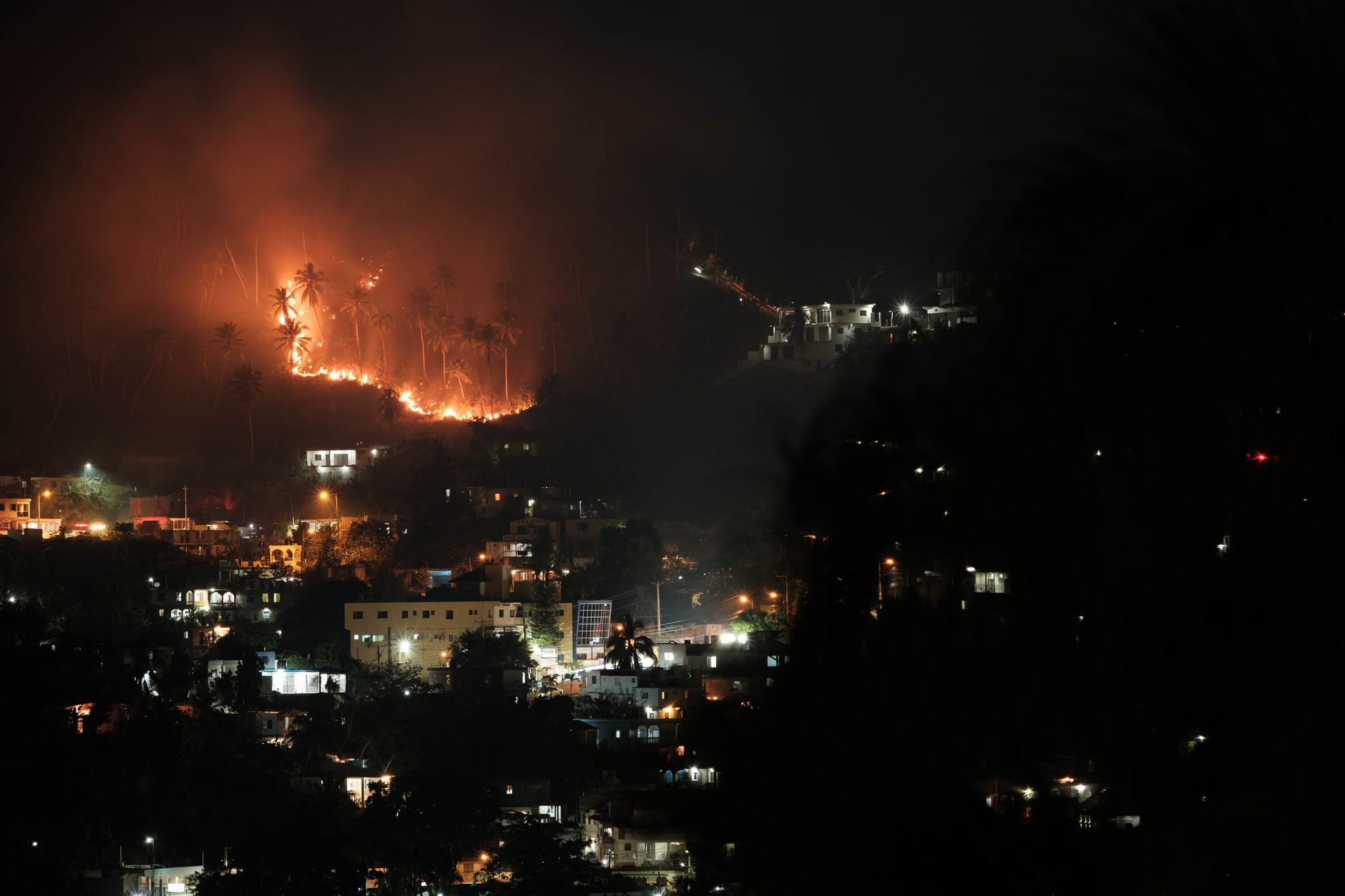
New research warns that a growing wildfire threat to American landmarks could jeopardize more than half of the nation’s registered historic sites.
Study maps wildfire exposure across the historic register
Published in Nature Scientific Reports, the work matches every mappable entry on the National Register of Historic Places with high‑resolution burn probability models. The findings indicate that of the 100,117 listed locations, more than half show measurable exposure to wildfire. For 3,446 sites the risk is classified as severe.
Risk clusters appear in the western United States, but notable hotspots also emerge in Oklahoma, Arkansas and along the southeastern coast. Buildings and historic districts—accounting for roughly 90 % of listed resources—are especially vulnerable because their cultural value is tied to the physical structures themselves. When a property is lost, the associated heritage disappears.
Recent fires illustrate the stakes
In January 2025, the Palisades Fire swept through Los Angeles, destroying the Will Rogers Ranch House, a beloved California landmark. Six months later, the Dragon Bravo wildfire burned through Grand Canyon National Park, wiping out the Grand Canyon Lodge, which dated back to 1927.
Related: Portable Device Detects Fat Burning Through Breath
Rebuilding the Will Rogers site is projected to cost about $5.1 million, yet many of its historic elements were evacuated before the blaze. The future of the Grand Canyon Lodge, which had already been reconstructed after a 1932 fire, remains undecided.
These incidents are not isolated. The study points out that nationally significant sites face disproportionately high exposure compared with state‑ and locally significant ones, meaning the country’s most treasured places are among the most at risk. Climate change is expected to push wildfire hazard zones into areas that previously enjoyed lower risk, expanding the pool of vulnerable heritage sites.
“These places anchor community identity, collective memory, and national heritage,” said Caitlin Fong, the study’s corresponding author. “Unlike homes, they cannot simply be rebuilt—and in many cases, once lost, they are gone forever.”
Policy gaps and potential remedies
The authors note that many preservation agencies still treat cultural sites as afterthoughts in emergency planning. This oversight reflects a broader tendency to prioritize infrastructure and ecosystems while overlooking the psychological impact on communities when historic places burn.
Related: The hidden workings of your mind
The gap suggests a need for policy adjustments that recognize heritage protection as a core component of disaster resilience.
Most states lack dedicated wildfire planning frameworks for cultural heritage. California’s CAL FIRE Cultural Resources Management Program is a notable exception, offering a model that other jurisdictions could emulate. Elsewhere, historic sites must compete for attention within broader all‑hazards plans that are not tailored to preserve historic character.
Researchers propose several mitigation strategies that align with preservation standards. These include vegetation management around historic structures, the use of fire‑resistant materials that do not compromise authenticity, and concealed fire suppression systems designed to protect without altering appearance. The open‑source dataset accompanying the study gives federal, state and local agencies a common basis for prioritizing protection efforts before the next fire arrives.
Mona Farnisa emphasized the practical value of the data: “By identifying where and what is most at risk, this study provides a foundation for proactive planning to safeguard the places that anchor community identity and national heritage before they are permanently lost.” The research was funded by the Gordon and Betty Moore Foundation, and all data and methodology are publicly available for further use.